
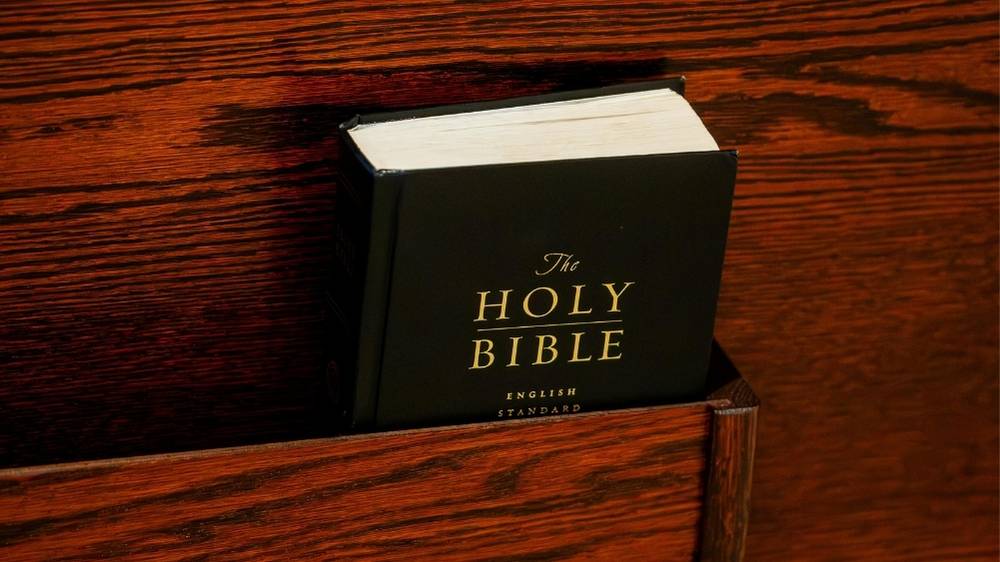
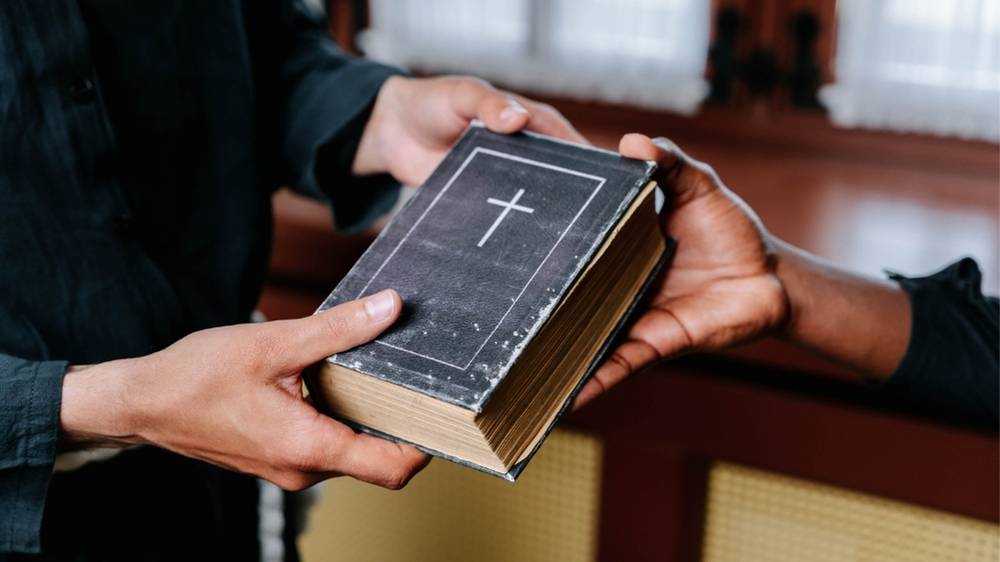
There is a very specific sensation that comes with handling an antique bible for the first time. It is not just about the weight of the heavy leather covers or the slightly musty, sweet scent of aged paper that has survived centuries. It is the overwhelming sense of connection to the past. When you run your fingers over the embossed gold lettering or turn a page that was printed during the reign of Queen Elizabeth I or King James I, you are touching an object that has been a silent witness to generations of human life. These books were once the centre of the home, used to record births, marriages, and deaths long before official government registries existed.
For many collectors and history enthusiasts, the appeal of an antique bible lies in its dual nature. On one hand, it is a significant religious text that has shaped Western civilisation, law, and literature. On the other, it is a masterpiece of craftsmanship. In an age of digital screens and mass-produced paperbacks, the physical presence of a hand-bound, hand-printed volume feels almost revolutionary. If you are looking to start your own collection or find a specific edition, finding a reputable source for an antique bible is the first step towards owning a piece of history.
How to tell if your antique bible is actually rare
One of the most common misconceptions people have is that every old book is automatically valuable. While every antique bible has historical interest, their market value varies wildly based on several specific factors. Just because a bible is from the 1800s doesn’t necessarily mean it is a rare treasure; millions were printed during the Victorian era. To determine if you have something truly special, you need to look at the finer details.
The first thing to check is the title page. This is the most important part of the book for identification. It tells you the printer, the location of the press, and the date of publication. If the title page is missing, the value often drops significantly because it becomes much harder to verify the edition. Some of the most sought-after versions include the Geneva Bible, the Great Bible, or early editions of the King James Version. Collectors also look for unique characteristics such as:
- Significant Provenance: If the book belonged to a notable historical figure or contains detailed genealogical records of a specific family.
- Specialised Bindings: Original leather bindings, especially those with intricate tooling or brass clasps, add immense value compared to modern re-bindings.
- Illustrations and Maps: Early bibles often featured beautiful woodcut illustrations or hand-coloured maps of the Holy Land.
- Historical Errors: Famous misprints, such as the ‘Wicked Bible’ where the word ‘not’ was omitted from a commandment, make certain editions incredibly rare and expensive.
The craftsmanship behind the printed word
Before the industrial revolution, making a book was a painstaking process that required a high level of skill. When you examine an antique bible from the 16th or 17th century, you are looking at the work of master printers who set every single letter by hand. The paper itself was often made from linen rags rather than wood pulp, which is why many of these books have survived in such excellent condition while books from the 1920s are already crumbling. This high-quality rag paper is durable, acid-free, and has a tactile quality that modern paper simply cannot replicate.
The typography used in these early volumes is also a point of fascination. Many early English bibles used ‘Black Letter’ type, which looks very gothic and ornate to the modern eye. Over time, printers transitioned to ‘Roman’ type, which is much closer to what we read today. Seeing this transition happen across different decades of printing allows us to track the evolution of the English language itself, including the strange spellings and the use of the ‘long s’ which looks like an ‘f’ to contemporary readers.
Looking after these fragile pieces of history
If you are lucky enough to own an antique bible, you have a responsibility to ensure it survives for another few hundred years. These books are surprisingly resilient, but they do have enemies: light, humidity, and improper handling. Many people make the mistake of keeping their old books in a basement or an attic, but the fluctuating temperatures and dampness in those areas can cause mould or ‘foxing’—those little brown spots you often see on old paper.
To properly care for your collection, consider the following environmental factors:
- Light Exposure: Keep books away from direct sunlight, which can fade the leather and make the paper brittle.
- Airflow: Ensure there is some air circulation around the books to prevent moisture build-up, but keep them away from direct heat sources like radiators.
- Handling: Always have clean, dry hands. While some people suggest white cotton gloves, many librarians actually prefer clean hands because gloves can reduce your dexterity and make it more likely that you will accidentally tear a fragile page.
- Storage: Large, heavy bibles should ideally be stored flat rather than upright to prevent the binding from pulling away from the text block under its own weight.
Why people still collect bibles today
In a world that is becoming increasingly secular and digital, the market for the antique bible remains remarkably steady. People collect them for various reasons. Some are driven by their faith and want to own a copy of the scriptures that their ancestors might have read. Others are bibliophiles who appreciate the history of printing and the evolution of bookbinding. There is also a strong academic interest, as these books provide a direct window into the social and political climate of the time they were printed.
For instance, the Geneva Bible was the preferred version of the Puritans and was the book brought over to America on the Mayflower. Owning a copy of that specific edition is like owning a piece of the foundation of a nation. Similarly, the first authorised King James bibles represent a pinnacle of English prose that has influenced every major writer from Milton to Hemingway. Every antique bible tells a story that goes far beyond the text printed on its pages; it tells the story of the people who held it, the printers who risked their lives to produce it, and the culture that was built around its words.
When you begin to look into the world of rare books, you realise that you aren’t just buying an object. You are becoming a temporary caretaker of a legacy. Whether it is a small, portable ‘pocket’ bible used by a soldier or a massive ‘lectern’ bible that once sat in a village church, these items carry a weight of human experience that is truly unique. Finding the right antique bible involves a mix of research, patience, and a bit of luck, but the reward is a tangible link to the centuries that have come before us.

Aiken is a communication strategist and writer who specializes in digital interactions, social engagement, and interpersonal communication techniques. His work explores how technology shapes the way people connect, collaborate, and build relationships.